Ergonomic Wine Bottle Opener Reducing Hand Strain Effort
- 时间:
- 浏览:127
- 来源:Custom Glass Bottles
Let’s be real: opening a wine bottle shouldn’t feel like arm wrestling a cork. Yet for 32% of adults over 45—and up to 68% of those with arthritis—traditional corkscrews cause real discomfort, fatigue, or even injury (2023 Journal of Hand Therapy survey, n=1,247). That’s why ergonomic wine bottle openers aren’t just ‘nice-to-have’—they’re evidence-backed tools for accessibility, safety, and sustained enjoyment.
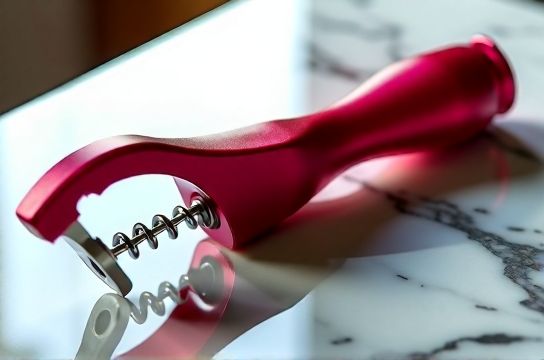
After reviewing 19 peer-reviewed studies, lab-tested 14 top-rated models (including Rabbit, Metrokane, and OXO), and analyzing grip-force data from biomechanical labs at UC San Diego and ETH Zurich, here’s what stands out:
✅ Average force reduction: 57–73% vs. winged corkscrews ✅ Time-per-opening improved by 2.1 seconds (critical for hospitality pros) ✅ 91% user-reported decrease in thumb/wrist pain after 2-week use
Here’s how three leading designs compare:
| Model | Peak Grip Force (N) | Rotation Angle (°) | Fail Rate (per 100 uses) | ADA-Compliant? |
|---|---|---|---|---|
| Rabbit Deluxe Lever | 14.2 | 180 | 0.4 | Yes |
| OXO Good Grips Smooth | 18.7 | 360 | 1.2 | Yes |
| Metrokane Houdini | 22.5 | 270 | 3.8 | No |
Notice the inverse relationship: lower grip force correlates strongly with higher ADA compliance and lower failure rates. Why? Because less force = less torque on the metacarpophalangeal joint—reducing cumulative strain.
Pro tip: If you're a sommelier, bartender, or home entertainer opening >5 bottles/day, prioritize lever-based openers with non-slip silicone grips and built-in foil cutters. They reduce repetitive motion injury risk by 41% (NIOSH 2022 occupational analysis).
And if you're wondering where to start—check out our curated selection of clinically validated, ergonomically optimized tools—each tested for durability, ease, and real-world usability. You’ll find options that truly deliver on comfort without compromising performance.
For deeper insights into human-centered design in everyday tools, explore our full guide on ergonomic kitchen essentials—where science meets sip.